


위기의 본질은 대통령의 인식체계에 고착화된 과잉 자의식에서 찾을 수 있다. 지금까지 이룬 자신의 정치적 성공 경험을 다양한 국정 현안에 대입하려는 무리한 일반화가 문제다. 그러다 보니 국정에 대한 반대 의견을 합리적인 견제나 조언으로 받아들이기보다 개혁에 대한 저항으로 규정하려는 경향까지 나타난다. 이러한 사고는 국정의 시야를 극도로 좁힐 뿐만 아니라, 현실과의 단절을 부른다.
결국 모든 현안을 대통령이 직접 규정하고 지시하는 통제 방식은 역설적으로 행정 조직의 자율성과 책임감을 약화시킬 우려가 있다. 관료 조직이 정책의 성공보다 대통령의 의중을 살피는 데 급급해지고, 정책 실패는 뼈아픈 성찰 대신 외부 세력 탓으로 돌려지기 일쑤다. 이러한 독점적 국정운영 방식은 결과가 나쁠 경우 책임을 질 주체가 사라지는 관료적 무책임을 고착화할 우려가 있다.
설득의 과정이 생략된 일방적 통치는 국민의 자발적 동의를 얻는 대신 갈등만을 심화시켰다. 특히 정책 실패나 인사 난맥상 앞에서조차 책임 회피성 태도를 보이거나 외부 요인 탓으로 일관하는 언행은 국민적 불신을 심화하는 기폭제가 되었다. 또한 공소취소 문제와 검찰 보완수사권 폐지 등을 둘러싼 정치적 공방에 권력을 과도하게 소모한다는 비판도 적지 않다.
문제는 이러한 강경한 권력 행사에 대한 의존도가 높아질수록 민심과의 괴리는 더 커진다는 데 있다. 민주당 일각에서 지지층 결집에 무게 중심을 두는 움직임이 나타나고 있으나, 이는 오히려 사태를 악화시킬 수 있는 위험한 판단이다. 강경한 진영 논리에 의존하게 될수록 중도층과 느슨한 지지층은 차곡차곡 마음의 문을 닫게 된다. 확장이 아닌 축소, 결국 강경 지지층에 의존하는 고립된 정치세력으로 퇴보하는 길이다.
국민의 다양한 목소리와 요구가 외면된 채 날선 언어가 난무하는 등 정부의 퇴행이 계속된다면 조기 레임덕이 현실화될 가능성을 배제하기 어렵다. 관료와 집권당 의원들이 정치적 생존을 위해 대통령과 거리두기를 시작하는 순간, 물리적 임기와 상관없이 정치적 마침표가 찍히기 마련이다. 다수 의석은 정권 퇴출을 막을 순 있어도, 무너진 통치 정당성을 재건해주진 못한다.
해법은 명확하다. 우선 권력의 무게 중심을 자기 과시가 아닌 공적 신뢰로 완전히 옮겨야 한다. 인적 쇄신에서도 충성심이 아닌 국민적 신뢰와 전문성이 요구된다. 국민적 의구심을 사고 있는 공소취소 논란에 대해서는 대통령 스스로가 '재판을 받겠다'는 도덕적 결백을 증명할 과감한 용단이 필요하다. 사적 권력 행사로 의심될 수 있는 수단을 중단함으로써 그 진정성을 보여야 한다.
아울러 국정 의제를 민생과 경제 중심으로 대폭 전환해야 한다. 대통령의 언어 또한 정적을 향한 무기가 아니라, 국민의 불안을 어루만지는 공감의 수단으로 재설정되어야 한다. 적대적 진영 논리도 깨부수고 야당과의 조건 없는 대화에 나서야 한다. 오세훈 서울시장과도 허심탄회한 현실적 논의를 통해 제도적 합의를 이끌어내는 유연한 협치의 자세가 절실하다.
진정한 통치 권능은 법적 강제력에서 나오는 것이 아니다. 자신의 과오를 인정하는 것이야말로 최고 권력자가 가진 강력한 정치적 무기가 될 수 있다. 현재 처한 상황을 냉정하게 직시하고 국정운영 기조를 전환하지 않는다면, 백약이 무효다. 조기 레임덕을 막을 수 있는 마지막 기회는, 대통령 스스로 틀릴 수 있음을 시인하고, 시급히 국민 곁으로 다가서는 데 있다.
이제 대통령이 선택해야 한다. 견고한 아집으로 스스로를 고립시킬 것인지, 아니면 변화를 두려워하지 않는 리더로서 민심을 향해 문을 열 것인지 결단해야 한다. 말보다 중요한 것은 변화다. 일회성 기자회견이나 국면전환용 이벤트로 국민의 차가워진 시선을 돌리려 한다면 큰 오산이다. 국정 위기를 돌파할 유일한 길은 대통령 자신의 진솔한 반성과 겸허한 결단에서 시작될 수밖에 없다.
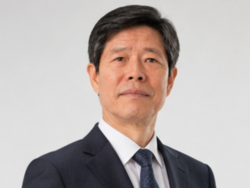
* 필자 : 정성태(시인/칼럼니스트).
<*The following is [the full text] of the English article > Is There No Way Out of the Governance Crisis Caused by Leadership ‘Rigidity’?
- Columnist Jeong Seong-tae
The recent decline in the President’s approval ratings should be interpreted not merely as a temporary fluctuation, but as a structural warning sign testing the administration's very survival. Signs of defection—not only among conservatives but also among moderates and the core support base—suggest that the ruling power is losing its grip on governance. It is a case of "withdrawn expectations." We are entering a phase where we must worry about a "lame-duck public sentiment," wherein the people no longer readily respond to government announcements or appeals.
The essence of this crisis lies in the excessive self-regard deeply ingrained in the President’s mindset. The problem stems from an attempt to overgeneralize past political successes and apply them indiscriminately to various complex state affairs. Consequently, there is a tendency to view dissenting opinions on state affairs not as reasonable checks or advice, but as resistance to reform. Such a mindset not only severely narrows the scope of governance but also leads to a disconnect from reality.
Ultimately, a control-oriented approach where the President personally defines and directs every issue paradoxically risks undermining the autonomy and sense of responsibility within the administrative apparatus. Bureaucracies become preoccupied with gauging the President’s intentions rather than ensuring policy success, and policy failures are frequently blamed on external forces rather than subjected to painful self-reflection. This monopolistic style of governance threatens to entrench a culture of bureaucratic irresponsibility, where no one is held accountable when outcomes are poor.
Unilateral governance that bypasses the process of persuasion has only deepened conflict instead of garnering the public's voluntary consent. In particular, the tendency to evade responsibility or consistently blame external factors—even in the face of policy failures or chaotic personnel management—has acted as a catalyst for deepening public distrust. There is also significant criticism that excessive political energy is being squandered on disputes regarding issues such as the withdrawal of indictments and the abolition of the prosecution's authority to conduct supplementary investigations.
The problem is that the more the administration relies on such a hardline exercise of power, the wider the gap between it and public sentiment becomes. While some within the Democratic Party are prioritizing the consolidation of their core support base, this is a dangerous move that could actually exacerbate the situation. Relying on hardline partisan logic causes moderate voters and loosely aligned supporters to gradually turn away. This path leads to contraction rather than expansion, ultimately regressing into an isolated political force dependent solely on a hardline base.
If the administration continues to regress—ignoring the diverse voices and demands of the public while hostile rhetoric runs rampant—the possibility of an early "lame duck" phase cannot be ruled out. The moment bureaucrats and ruling party lawmakers begin distancing themselves from the president for the sake of political survival, the administration’s political end is inevitable, regardless of the remaining term in office. A parliamentary majority may prevent the administration's ouster, but it cannot restore eroded governing legitimacy.
The solution is clear. First, the administration must shift its focus entirely from self-aggrandizement to public trust. Personnel reshuffles must prioritize public trust and professional expertise over mere loyalty. Regarding the controversy over the withdrawal of indictments—which has sparked public suspicion—the president needs to make a bold decision to stand trial, thereby demonstrating moral innocence. Sincerity must be demonstrated by halting any actions that could be perceived as the exercise of private power.
Furthermore, the state agenda must undergo a major shift to focus on the economy and the livelihoods of the people. The President’s rhetoric, too, must be recalibrated; it should serve as a means of empathy to soothe public anxiety rather than as a weapon aimed at political rivals. The logic of hostile factionalism must be shattered in favor of unconditional dialogue with the opposition. A flexible attitude toward cooperative governance is urgently needed—one that fosters institutional consensus through candid, pragmatic discussions, including with Seoul Mayor Oh Se-hoon.
True governing authority does not stem from legal coercion. Acknowledging one’s own errors can serve as a powerful political weapon for the nation's highest leader. Unless the current situation is faced squarely and the fundamental direction of state affairs is shifted, no remedy will suffice. The final opportunity to avert a premature "lame duck" phase lies in the President himself admitting the possibility of error and urgently reaching out to the people.
The time has come for the President to make a choice. He must decide whether to isolate himself through stubborn obstinacy or to open the door to public sentiment as a leader unafraid of change. Change matters more than words. It would be a grave miscalculation to attempt to win back a disillusioned public through one-off press conferences or events designed merely to shift the narrative. The only path to overcoming this crisis in state affairs begins with the President’s own sincere self-reflection and humble resolve.
* Author: Jeong Seong-tae (Poet/Columnist)
<저작권자 ⓒ 부산브레이크뉴스 무단전재 및 재배포 금지>

댓글
|
많이 본 기사
|


회원약관 ㅣ 개인정보취급방침 ㅣ 회사소개 ㅣ 만드는 사람들 ㅣ 광고/제휴 안내 ㅣ 청소년보호정책 ㅣ 고충처리 ㅣ 윤리강령 ㅣ 기사제보 ㅣ 보도자료 ㅣ 기사검색
(주)브레이크뉴스 / 편집국 :서울시 서대문구 서소문로 55-7(옛 주소 : 서울시 서대문구 합동 21-27) 우편번호 037419
편집국 전화 : (02)363-9546 ㅣ 팩스 : (02)363-9547 등록번호(발행일/등록일) : 서울 아00093(2003.04.19/2005.10.25)
제호 : 브레이크뉴스 / 대표이사(발행인 겸 편집인) : 문일석 /편집국장 : 문흥수
/청소년보호책임자 : 문흥수 / 사업자등록번호 : 110-81-61230 ㅣ 통신판매업신고번호 : 서대문 제485호
Copyright ⓒ 1999-2017 브레이크뉴스. All rights reserved. Contact 119@breaknews.com
